Regimental Museum Brand development for The Argyll and Sutherland Highlanders based at the historic Stirling Castle. In this case study explore:
The challenge: What had changed?
The opportunity: What could this become?
The transformation: What did IDEAS actually change?
The result: What became possible?
Regimental Museum Brand development in Stirling – Case Study
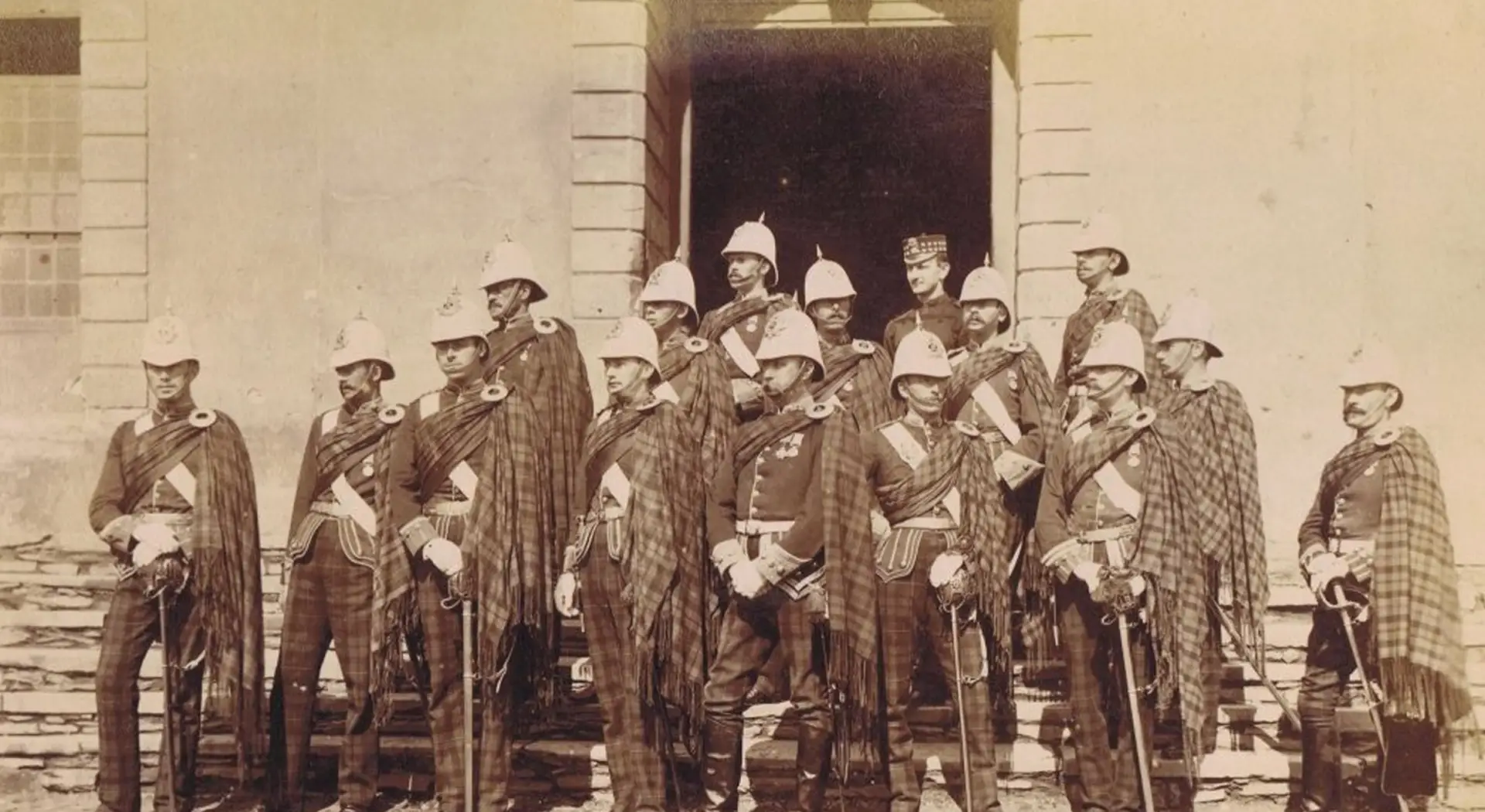
The Argyll and Sutherland Highlanders
Revealing a world-class story of courage, heritage and discovery
Regimental Museum Introduction
Based at Stirling Castle, The Argyll and Sutherland Highlanders Regimental Museum is an inspiring place — a living monument to the Regiment’s courage, heritage, and service. However, like many long-standing institutions that evolved over time and through successive teams, the Museum’s brand, communications, and visitor journey had lost their sense of coherence and planned discovery.
While the Museum was rich in content and history, its presentation and digital platforms did not fully reflect its importance or potential. The website, in particular, suffered from fragmented content, inconsistent visual identity, and limited functionality, making it difficult for visitors to navigate or connect emotionally with the story being told.
IDEAS was invited to help redefine the Museum’s identity, refresh its communications, and reposition it as a museum of international, five-star stature — a destination worthy of its remarkable history.
Regimental Museum The Challenge
The Museum team faced several interlinked challenges:
A brand that had evolved organically without a guiding framework, resulting in inconsistencies in naming, tone, and presentation.
A website with valuable content but limited usability, visual appeal, or narrative cohesion.
A pressing need to enhance visitor engagement, improve fundraising communications, and articulate a stronger sense of purpose.
The ambition to present a unified and contemporary identity while respecting the institution’s deep heritage and solemn legacy.
The challenge lay in balancing modernisation with authenticity — creating a visual and verbal identity that honoured the past while embracing the future.
Our Intervention
IDEAS began with a period of discovery — meeting the Museum’s team, exploring the archives, and mapping the organisation’s goals, governance, and public perception. From this, we developed a strategy that would clarify the brand’s structure and reintroduce the Museum’s voice with renewed confidence and clarity.
Key interventions included:
Naming policy and brand governance — establishing a clear and consistent approach to the Museum’s official name and its use across media.
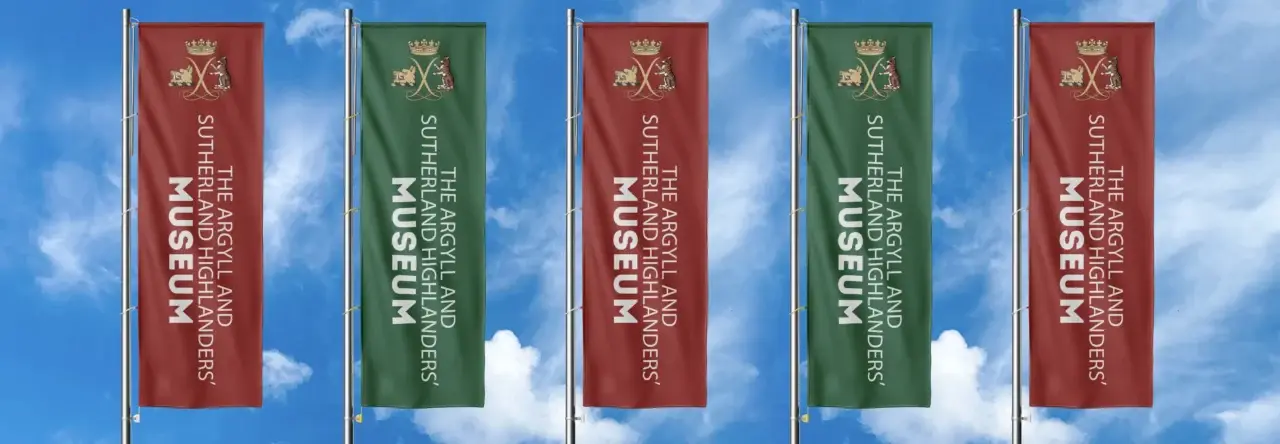
Logo design and core messaging — developing a timeless identity system and a unifying core message that encapsulates the Museum’s purpose, pride, and enduring spirit.
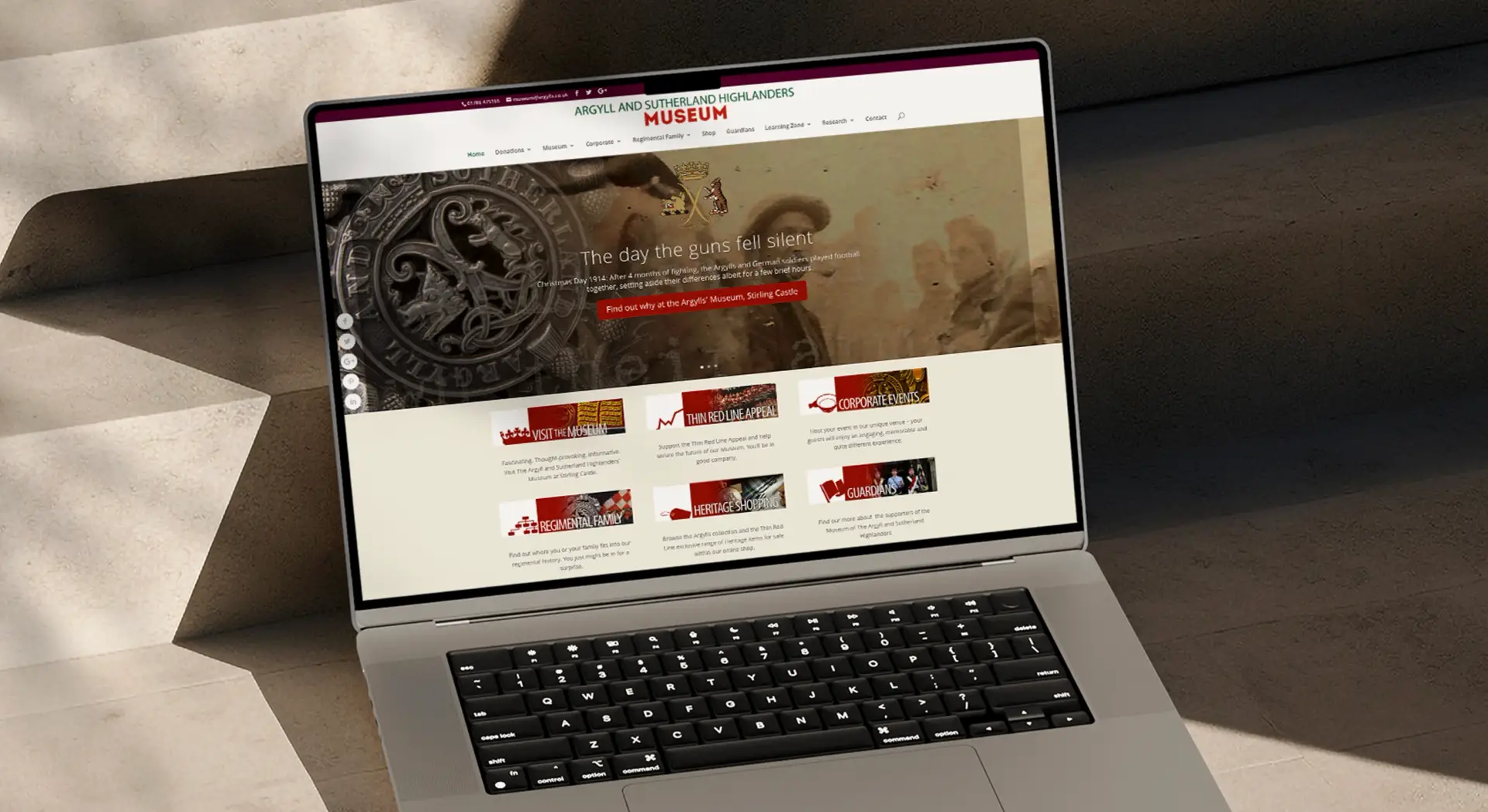
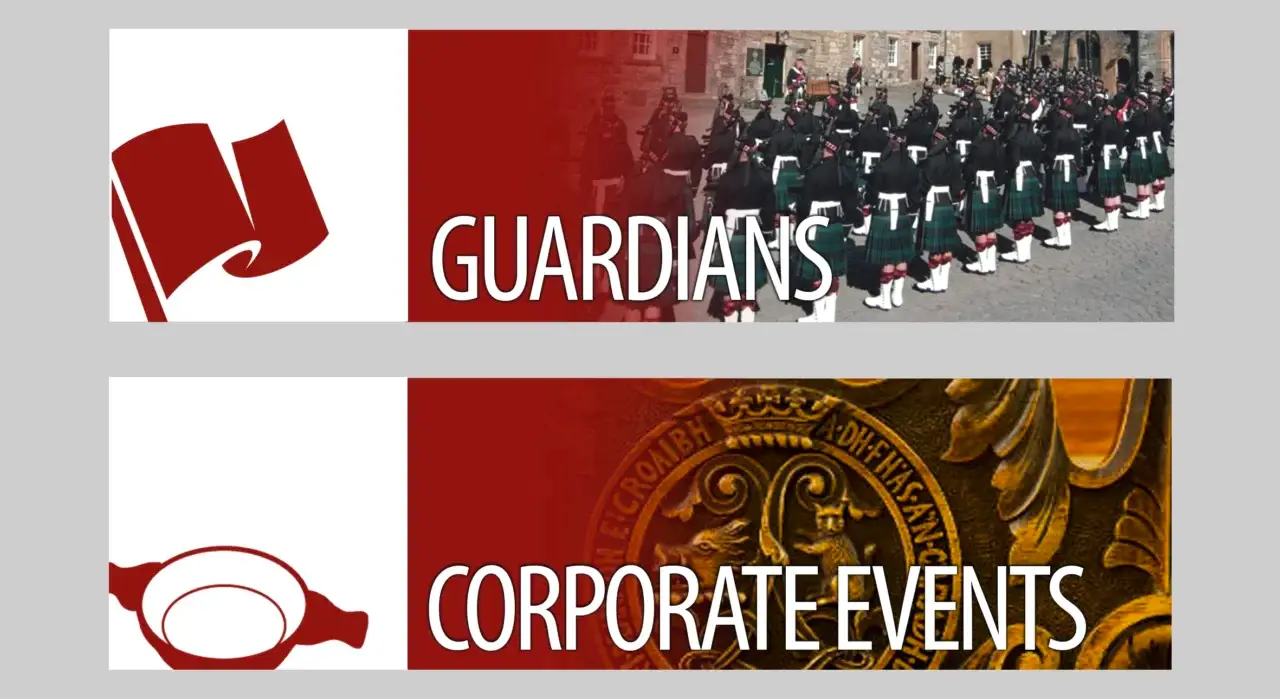
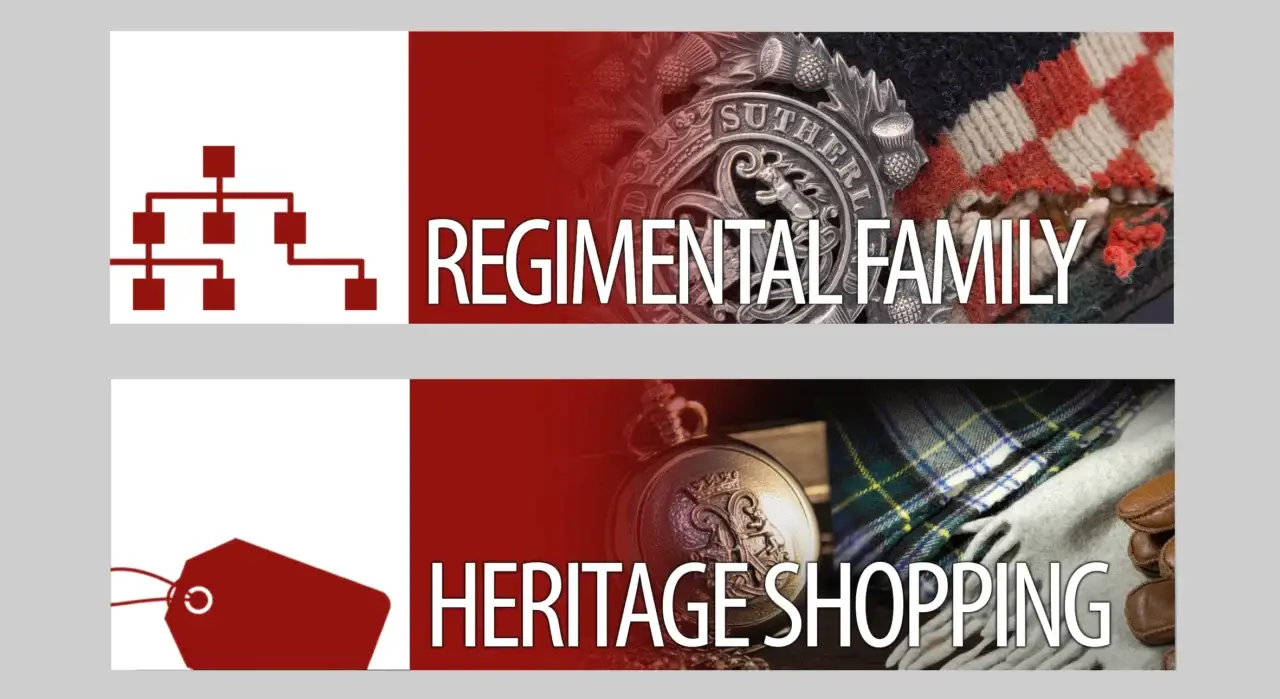
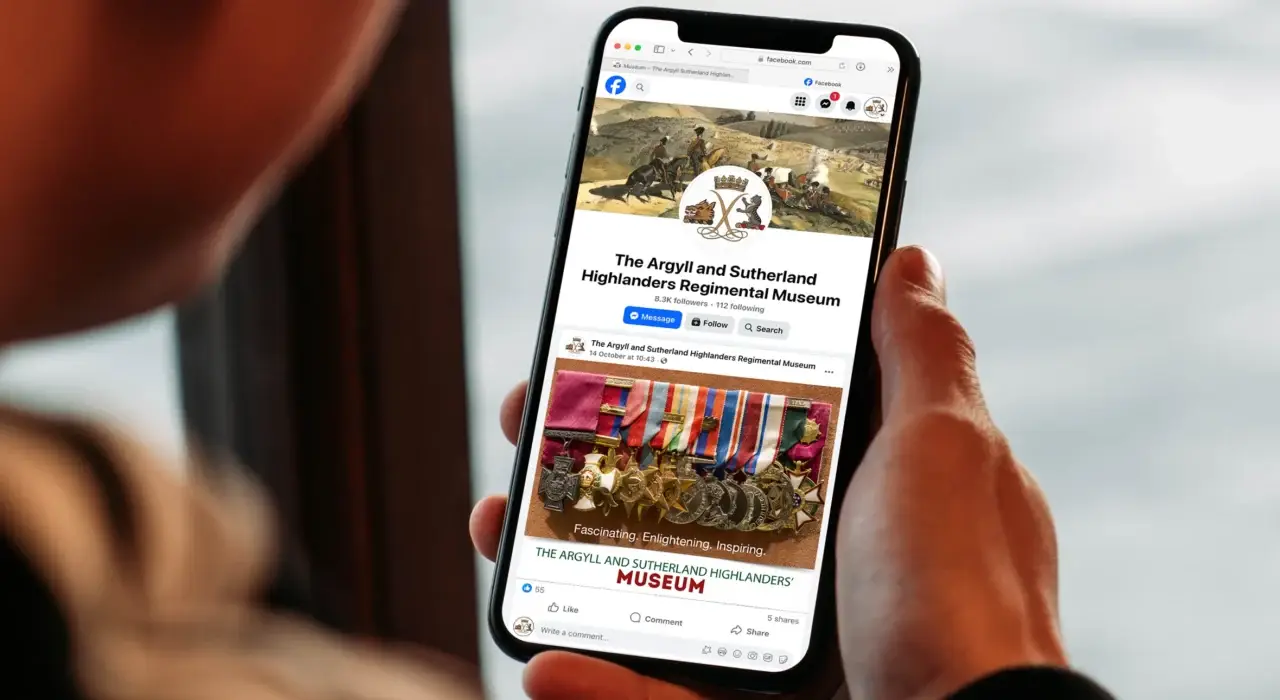
Website redesign and rebuild — transforming an inherited, content-heavy platform into a modern, visually engaging, and easy-to-navigate experience.
Streamlined and systemised content for clarity and discoverability and streamlined routes to appeal contribution
Introduced a new visual hierarchy, inspiring landing page, and elegant section templates.
Standardised graphic assets and typography to ensure consistent application across digital and print.
Empowered the Museum team with a self-administered CMS, enabling effortless updates and beginner-friendly scalability.
Text and tone refinement — reworking all written content to convey the Museum’s voice with authenticity, reverence, and accessibility.
Merchandise and retail design — creating a suite of complementary branded items for sale online and in the Museum shop, extending the reach and resonance of the new identity.
Campaign & Strategy
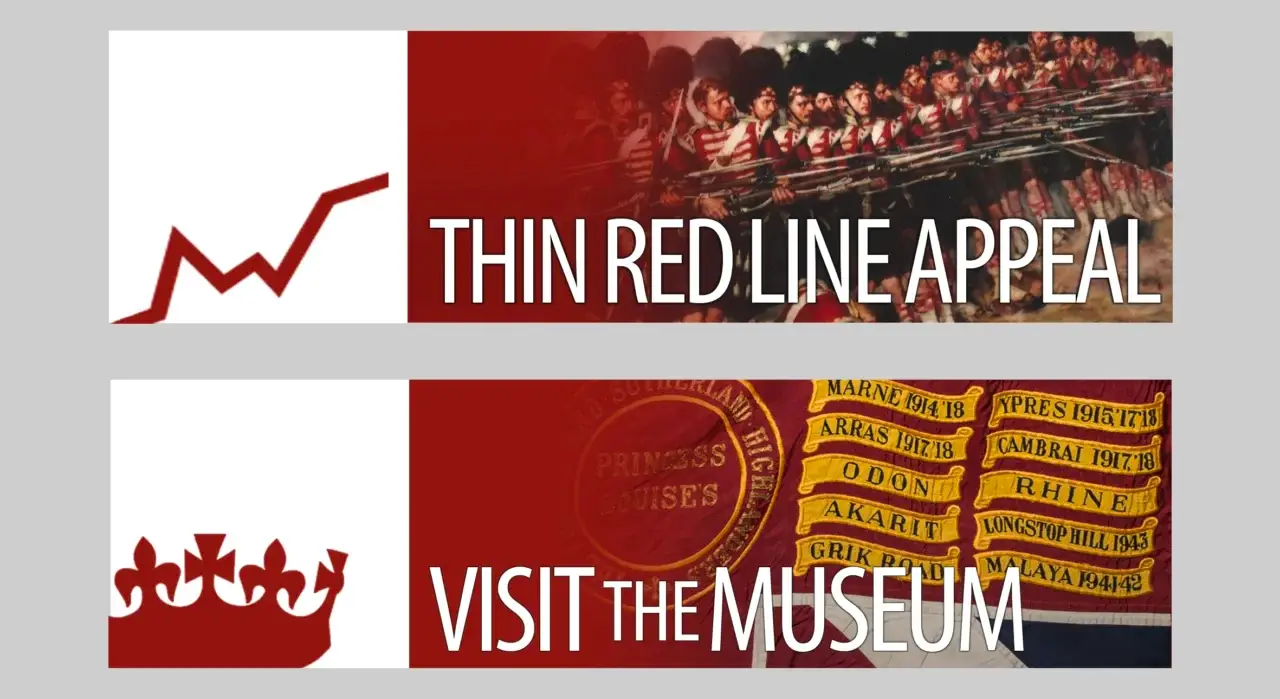
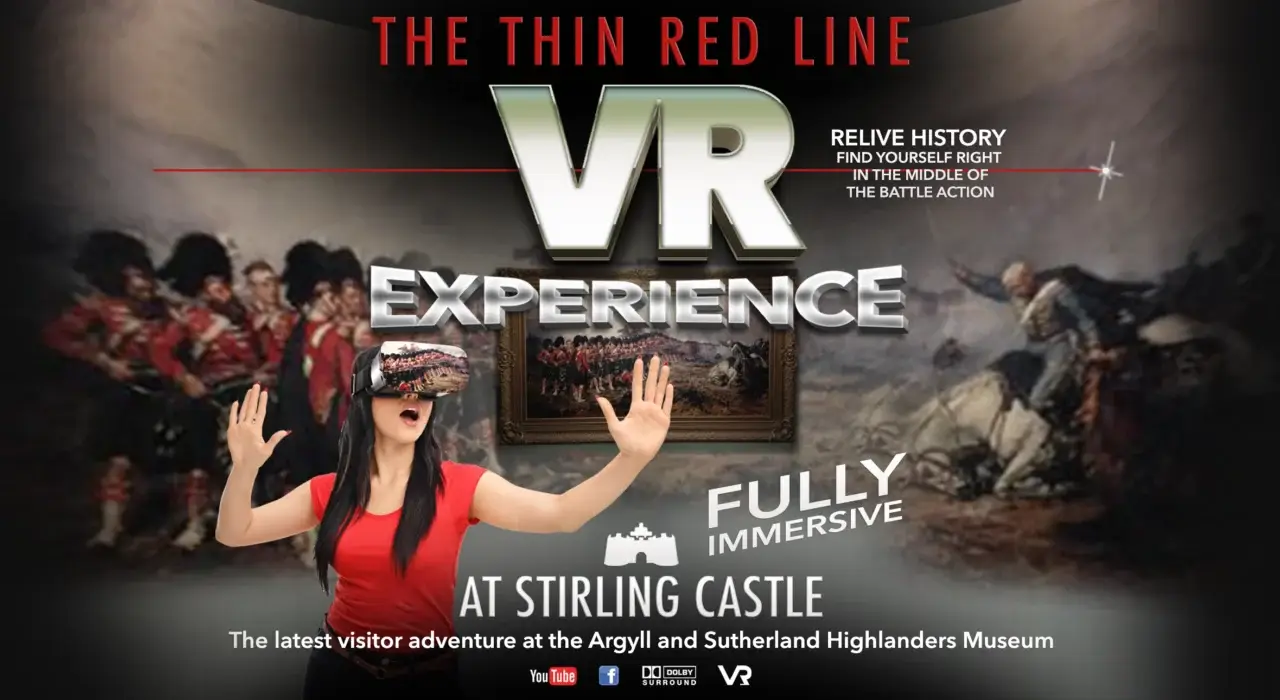
Beyond the core rebrand, IDEAS devised and deployed the “Thin Red Line Appeal” — a cross-media fundraising campaign designed to raise essential funds for the Museum’s refurbishment.
The campaign combined evocative storytelling, digital assets, and printed materials, positioning the appeal as both a tribute and a call to action.
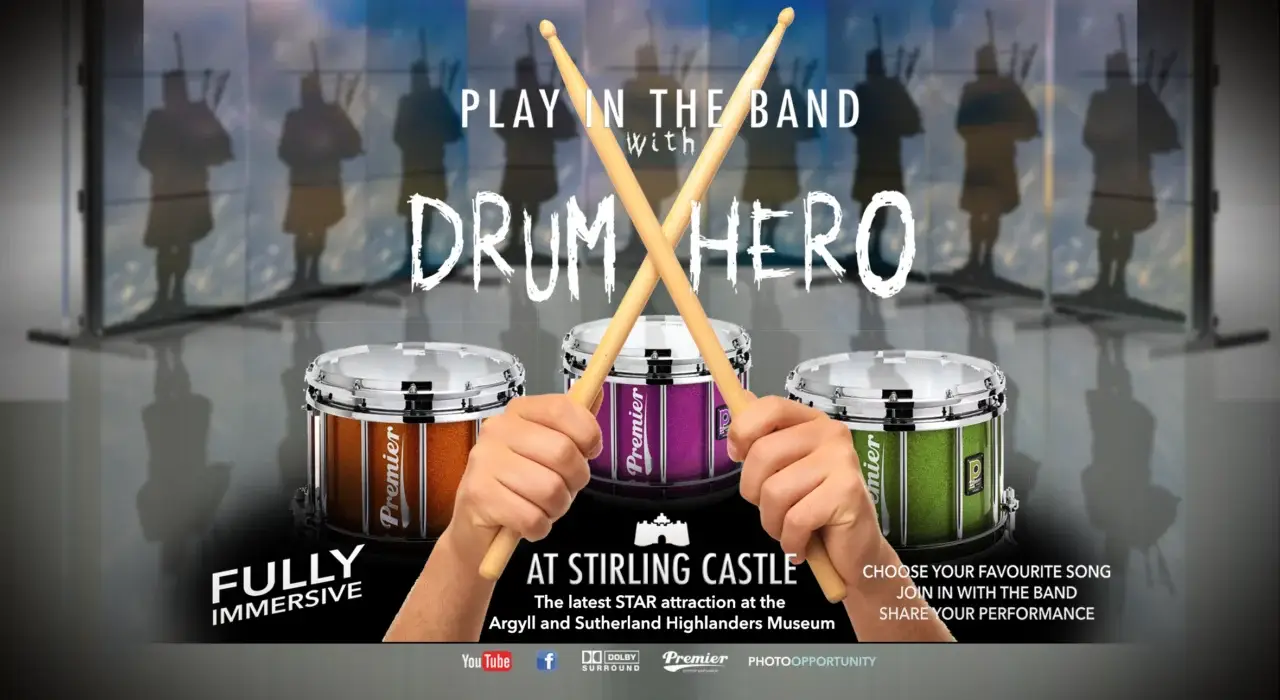
In parallel, we proposed a range of interactive exhibition concepts and visitor engagement ideas designed to extend dwell time, attract new audiences, and sustain repeat visitation. These initiatives would transform the visitor experience — from planned discovery and learning to emotional connection and loyalty.
Our strategy balanced short-term impact with long-term sustainability, ensuring that every communication, design choice, and visitor interaction contributed to a consistent and compelling brand narrative.
The logical consolidation of the website structure was intended to establish and underpin the Museum’s ongoing level of structured professionalism and organisation, not just beautiful imagery, although it was that as well. Importantly, it was a statement of ongoing positive intent. The public, visitors, core influencers, supporters and potential funding partners would conclude: this is now a self-sustaining entity worthy of their time, consideration and support.
What We Delivered
| Strategy & Insight | Creative & Delivery |
|---|---|
| Brand audit and stakeholder consultation | Logo design and identity system |
| Naming policy and governance framework | Website redesign and CMS build |
| Audience analysis and messaging strategy | Copywriting and tone of voice development |
| Fundraising and visitor engagement strategy | The Thin Red Line Appeal — campaign design and rollout |
| Long-term brand positioning for heritage growth | Merchandise, signage, and retail assets |
| Interactive exhibition and visitor experience concepts | Standardised digital and print templates |
Results and Legacy
Through a combination of thoughtful design, strategic messaging, and clear structure, IDEAS helped The Argyll and Sutherland Highlanders Museum in Stiling, rediscover and express its authentic identity.
The revitalised brand and digital experience now convey the dignity, pride, and human stories at the heart of the Regiment’s legacy — strengthening the Museum’s local and international presence, inspiring visitors, and fostering a deeper sense of connection.
The project established a foundation for future growth and creative innovation, ensuring the Museum can continue to reveal its most compelling stories for generations to come.
- National Lottery Grants: Received a critical £999,999 grant from the National Lottery Heritage Fund to help complete its extensive transformation before reopening.
- The Thin Red Line Appeal: A £4 million fundraising campaign launched with patronage from Prince William to modernise galleries and visitor facilities.
- Civic Support: Honored as the Lord Provost’s Charity of the Year 2025 by Stirling Council, which included a £1,000 Civic Fund donation.
- Ongoing Operations: Operates as an independent charity relying on public donations, visitor support, and partnerships with Historic Environment Scotland.
HUNGRY FOR an IDEAS ® rebrand?
We’d love to talk to you
Drop us a line or
Schedule a complimentary 10-minute discovery call with us today here!

CLIENTS (just a few):