
Don’t waste your money on a useless website—learn how to make every dollar count when building your online presence.
Don’t waste your money on a useless website
We’ve seen what happened during the pandemic, when folks who knew little about PPE suddenly found themselves charged with acquiring it.
Everything from repurposed underwear to equally ineffective solutions (on a commercial scale) flooded the market, supplied by intermediaries, well-meaning at best, they rarely knew about product specifications, standards, specific purpose, levels of effectiveness, or costs.
Similarly, the website game is not for the inexperienced or faint of heart—there’s much profit to be made by peddling pot-boiler solutions that are unfit for purpose.
You need to cut through the hype and establish a website that produces measurable results. And that takes effort over time.
If you are not up for that, slap something up and forget it—chances are it will better represent you than entrusting the task to someone who knows little about you, your market, your specialism or your intended outcomes.
We’d love to talk to you
Drop us a line or
Schedule a complimentary 15-minute discovery call with us today here!
“I don’t like how my website looks”, “My website doesn’t capture my essence”, “I have a useless website.”
Many individuals and businesses struggle with their online presence. From a poorly designed, hastily cobbled-together, useless website to technically equally devoid professional designs, frustratingly, they often miss the mark, resulting in a useless website.
How often have we heard the refrain, “We just use our website as a shop window”? Your website should be so much more than that. It’s your brand ambassador and key to attracting and sustaining customers, influencers, and partners.
If you genuinely want to stand out online, it’s time for introspection and evaluation. Is your website aligned with your target audience? Does it effectively communicate your brand’s values and offerings? And perhaps most importantly, is it designed to attract and convert prospects into loyal customers?
Below, we have provided a comprehensive checklist of content prompts and technical criteria, so you don’t waste your money on a useless website, helping you elevate your website from a mere shop window that Google is unlikely to find to a powerful tool for growth and success.
Look, we’ve been doing it since the beginning, and honestly, it’s almost impossible to keep up with constant changes.
Honestly, designers are least likely to build a technically proficient site. Engineers are likely to have no sense of aesthetics. Marketers need advice from both.
And good luck making changes to AI-generated code.
Frankly, we don’t need to look too far to find businesses making substantial money, churning out useless websites.
Whether you’re building your own website or having it built for you, by a beginner, charlatan, or seasoned professional, almost any website can be improved in some way.
You can find so many self-appointed website gurus and just as many individuals criticising their advice; it’s hard to know where to begin.
Content Prompts:
- Brand Identity:
- Define your brand’s unique identity, values, and tone.
- Provide brand assets such as logos, color palette, and fonts.
- Target Audience:
- Identify your ideal customer demographics and psychographics.
- Understand their needs, pain points, and preferences.
- Unique Selling Proposition (USP):
- Clearly articulate what sets your product or service apart from competitors.
- Highlight the benefits and value proposition for customers.
- Key Messages:
- Craft compelling headlines and taglines that resonate with your audience.
- Outline the main points you want to communicate across your website.
- Content Hierarchy:
- Plan the organization of information on your website.
- Determine the main pages and their hierarchy (e.g., homepage, about us, products/services, contact).
- Calls to Action (CTAs):
- Decide on the actions you want visitors to take on each page (e.g., sign up, contact us, buy now).
- Write persuasive CTAs that encourage conversions.
- Visual Assets:
- Gather high-quality images, videos, and graphics that reflect your brand.
- Ensure visual consistency and alignment with your brand identity.
- Testimonials and Social Proof:
- Collect customer testimonials, reviews, and case studies.
- Showcase social proof to build trust and credibility with visitors.
- Content Strategy:
- Plan ongoing content creation and updates for your website (e.g., blog posts, news section).
- Align content with SEO keywords and topics relevant to your audience.
- Storytelling Elements:
- Incorporate storytelling elements that engage and captivate your audience.
- Share your brand story, mission, and values authentically.
Technical Criteria:
- Responsive Design:
- Ensure the website is optimised for various devices and screen sizes.
- Test responsiveness on desktops, laptops, tablets, and smartphones.
- Fast Loading Speed:
- Optimise images, code, and server response times for fast loading.
- Aim for a load time of three seconds or less to prevent bounce rates.
- SEO, GEO, and AEO Optimisation:
- Implement on-page SEO elements such as meta titles, descriptions, and headings.
- Create SEO-friendly URLs and incorporate relevant keywords and authority signals throughout the content.
- Security Measures:
- Secure the website with HTTPS protocol and an SSL certificate.
- Regularly update software, plugins, and security patches to prevent vulnerabilities.
- User-friendly Navigation:
- Design intuitive navigation menus for easy browsing.
- Ensure visitors can find information quickly and effortlessly.
- Accessibility:
- Make the website accessible to users with disabilities (e.g., screen readers, keyboard navigation).
- Adhere to WCAG (Web Content Accessibility Guidelines) standards.
- Content Management System (CMS):
- Choose a CMS platform that suits your needs (e.g., WordPress, Shopify, Squarespace).
- Ensure the CMS allows for easy content updates and management.
- Analytics Integration:
- Set up website analytics (e.g., Google Analytics) to track visitor behavior and performance metrics.
- Use data insights to optimize the website for better results.
- Cross-browser Compatibility:
- Test the website on different web browsers (e.g., Chrome, Firefox, Safari, Edge).
- Ensure compatibility and consistent performance across all major browsers.
- Backup and Recovery:
- Implement regular backups of website files and databases.
- Have a contingency plan for restoring the website in case of data loss or technical issues.
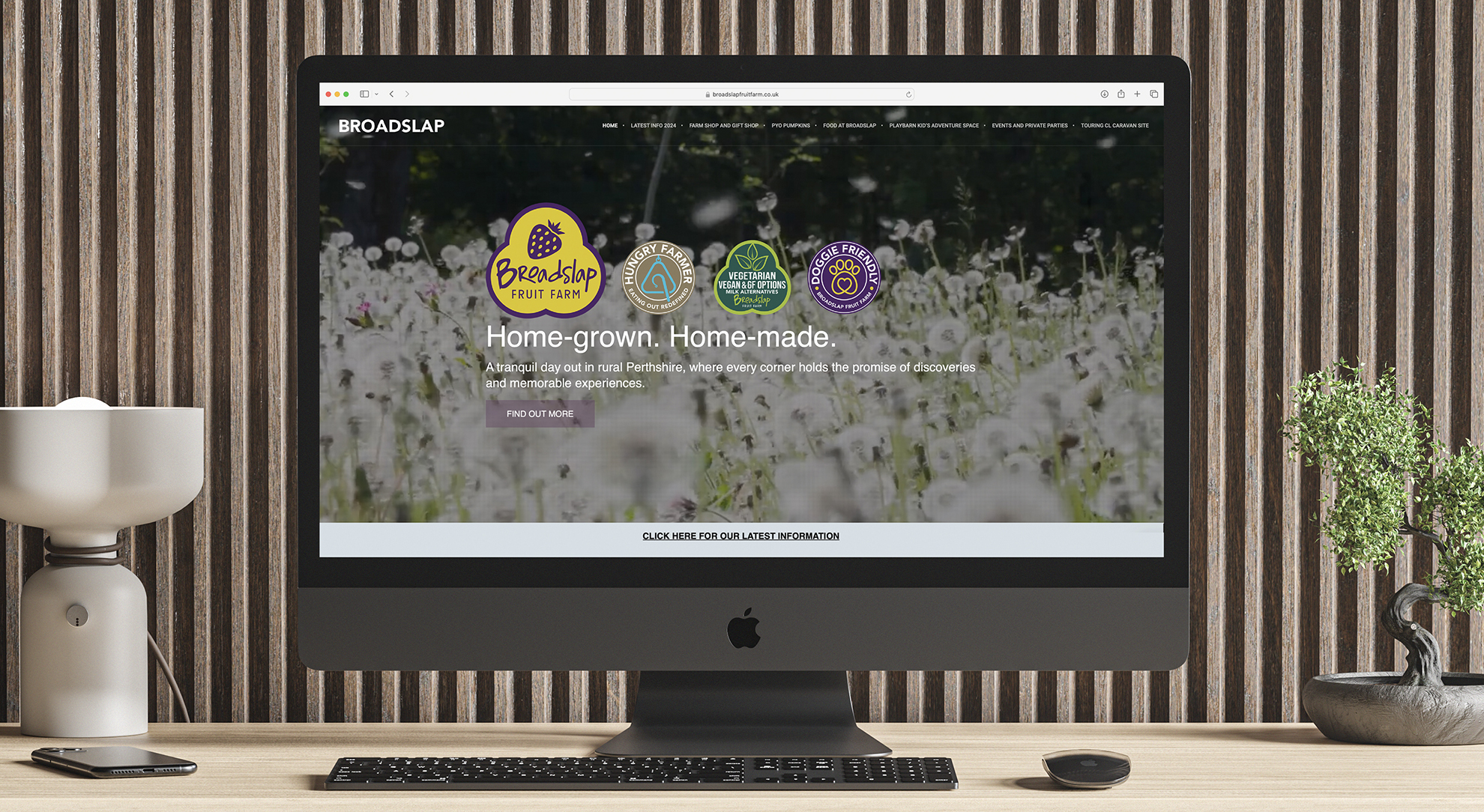
Welcome to the world-wild-web of website design and website development! In an industry where everyone seems to flaunt their expertise, the truth is that only a few truly excel. It’s a labyrinth of bewildering, flim-flam, and downright nonsensical information that can leave you scratching your head.
Don’t waste your money on a useless website. Visit the beach instead. Allow nature to clear your mind and stimulate introspection and evaluation of your website. Dont be surprised if you conclude your current website amounts to no more than fresh air. Better just going straight to the beach!
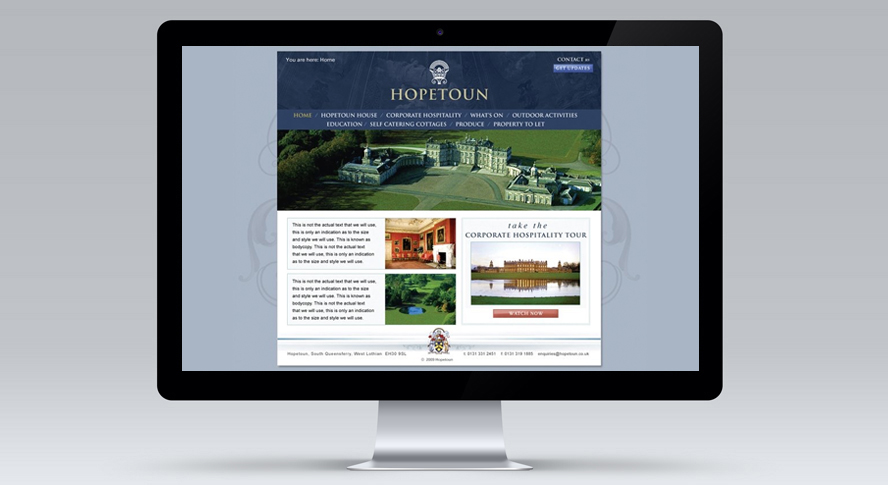

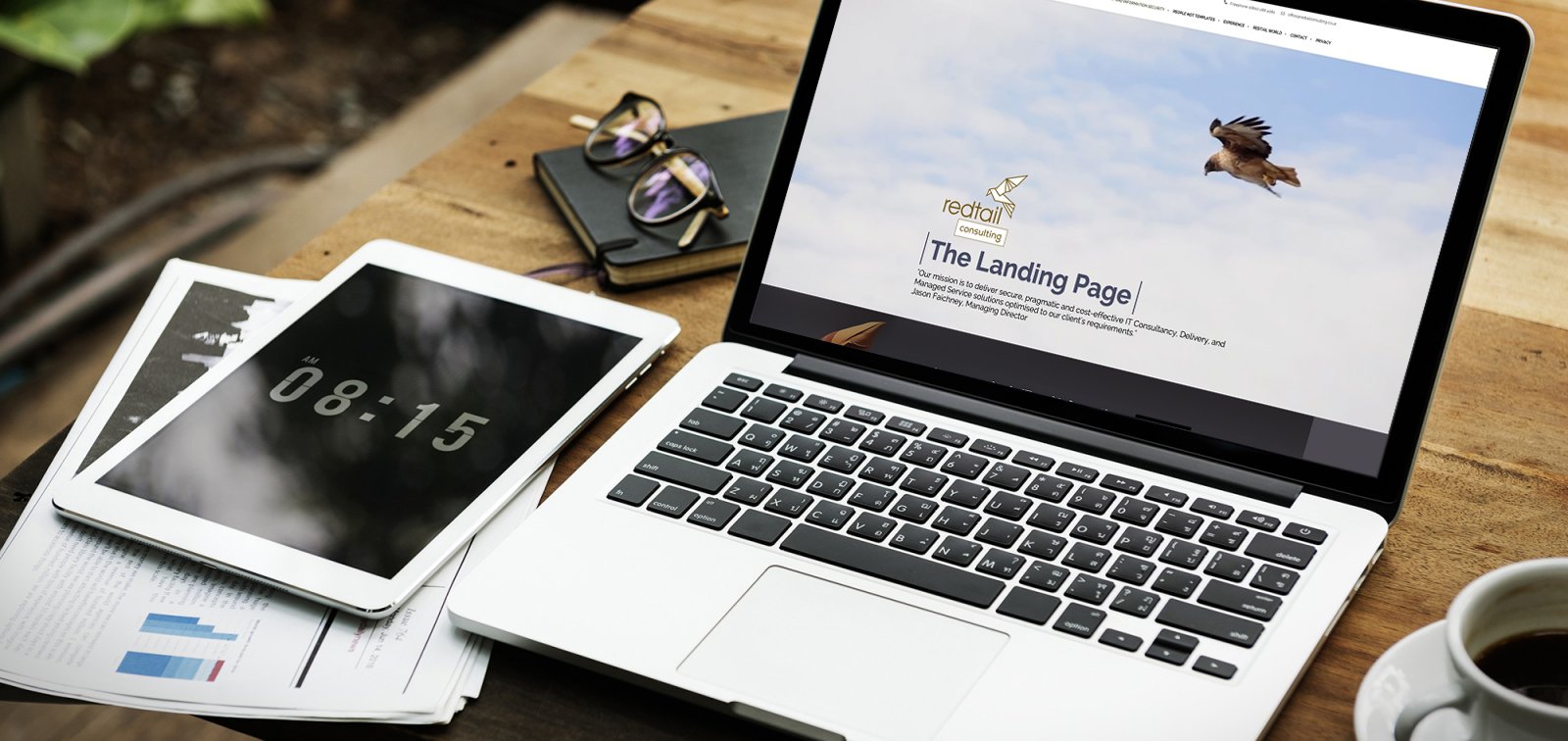

Avoiding the useless website.
An effective online presence requires a singular purpose, optimised mobile speed, and a focus on displaying tangible work over complex design to drive results. This streamlined, action-oriented approach prevents wasted resources on unnecessary features. For insights on professional, streamlined branding, explore the IDEAS Design Studio Website further.
Go here for more details on our IDEAS Design Studio Services.
see also
About the many lives of our IDEAS Imagining director: Don Jack
